Returning recyclable materials from household waste, bulky waste, compostable waste, and other materials sources, to the materials cycle reduces the consumption of raw materials and protects the environment.
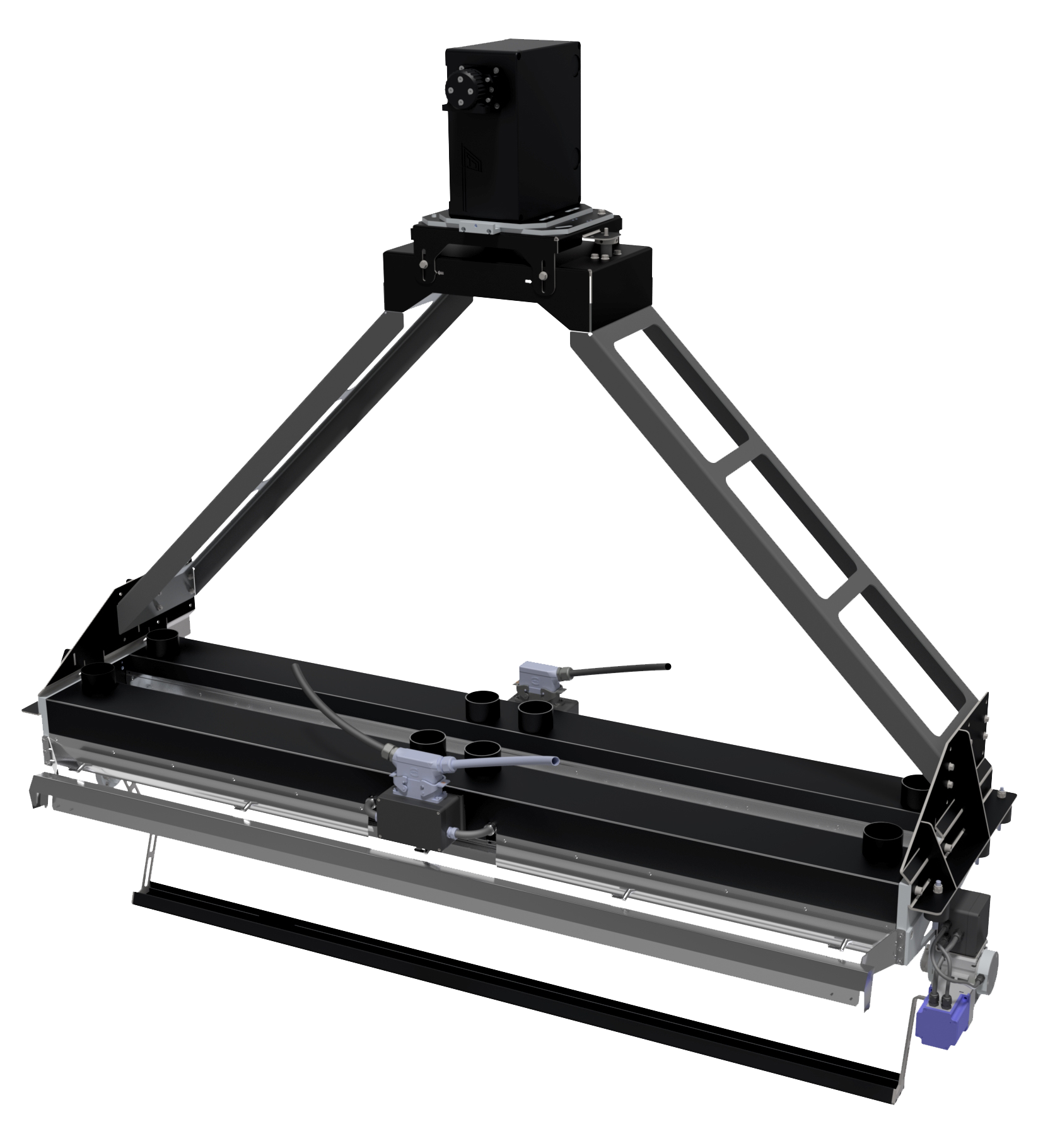
LLA Instruments provides hyperspectral recycling sorting solutions using advanced NIR cameras and sensor-based systems, enabling precise identification and separation of materials in industrial recycling processes.
To achieve this, industrial sorting of waste paper, plastics, glass, textiles, batteries, and electronic equipment (WEEE) is essential. Our NIR hyperspectral cameras, combined with powerful software modules, deliver ready-to-use material sorting solutions that seamlessly integrate into your production lines. The following application examples demonstrate how our technology enables efficient material identification and improves recycling efficiency. If your application is not listed, please contact us for a free preliminary study.
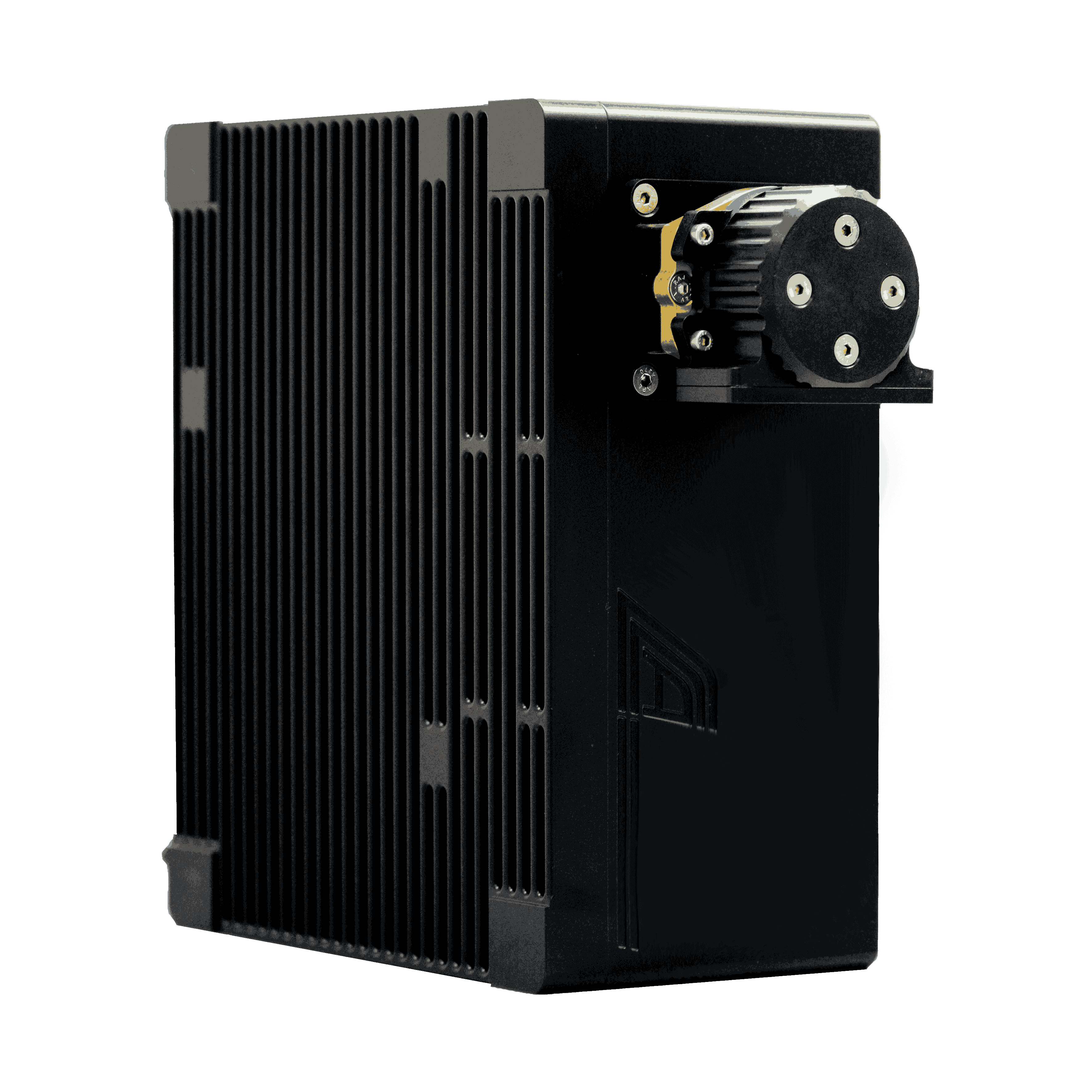
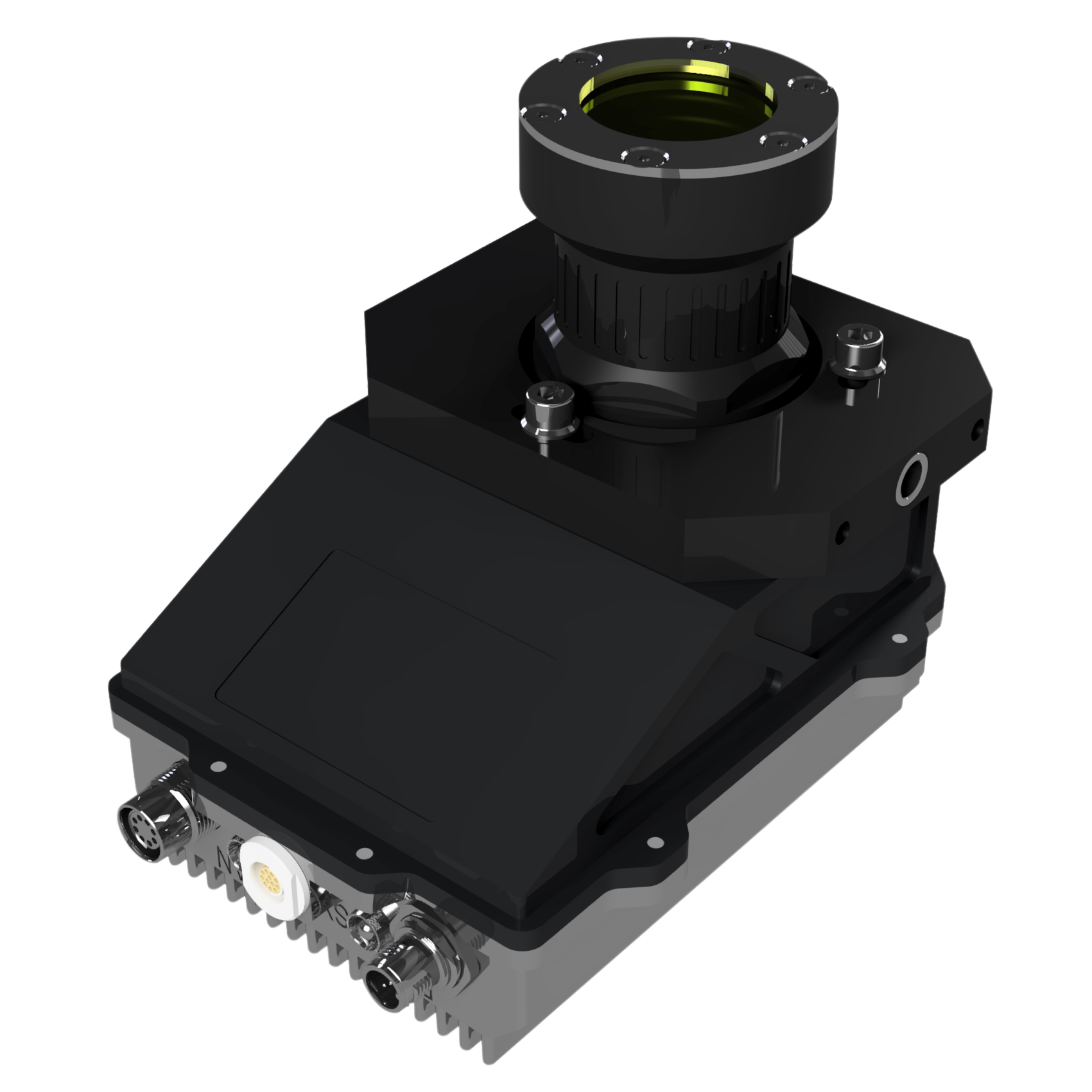
WE RECOMMEND: The NIR spectrometers KUSTA-MPL 1.9, KUSTA 1.9, and KUSTA 1.7, in combination with the idHwaste software module
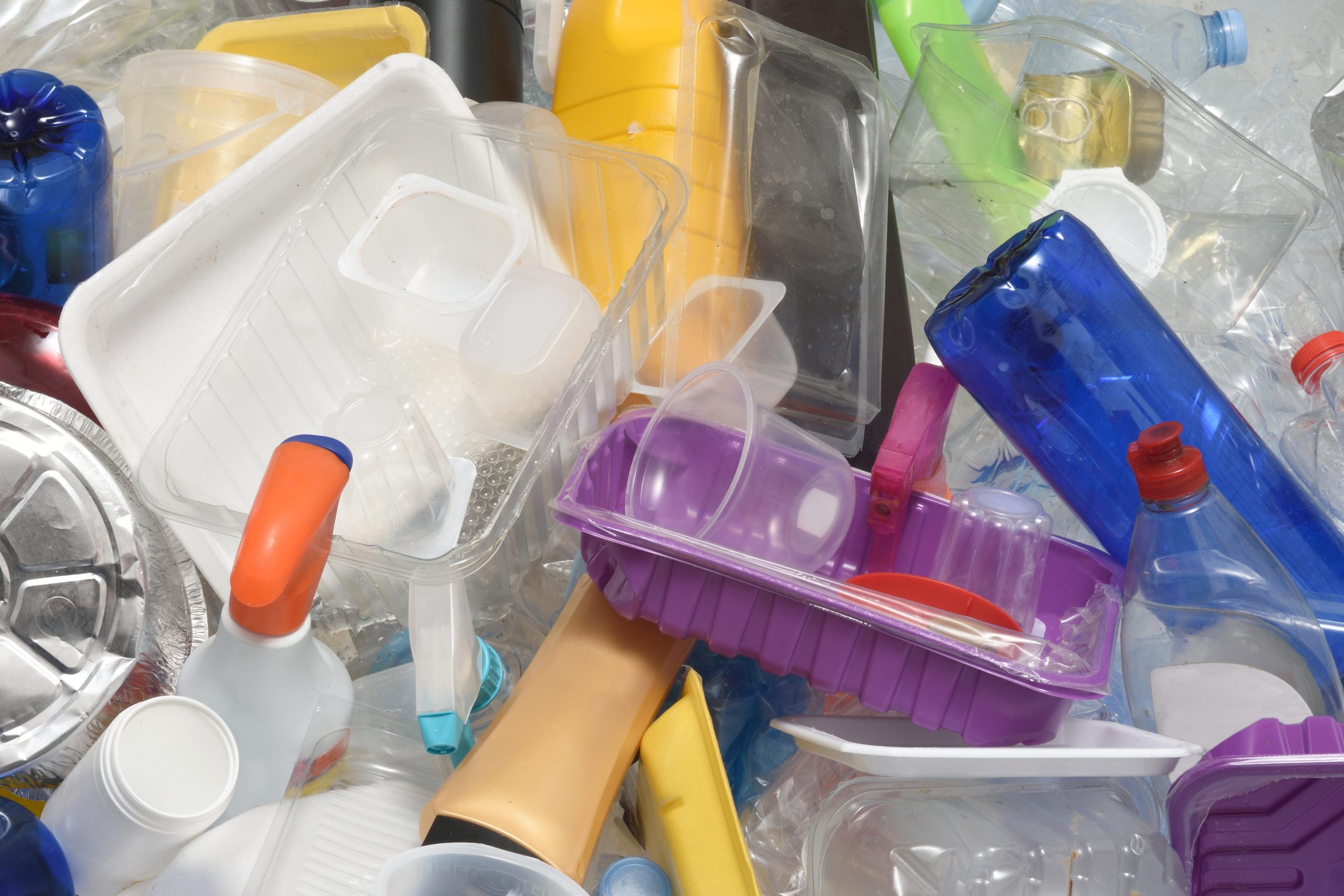
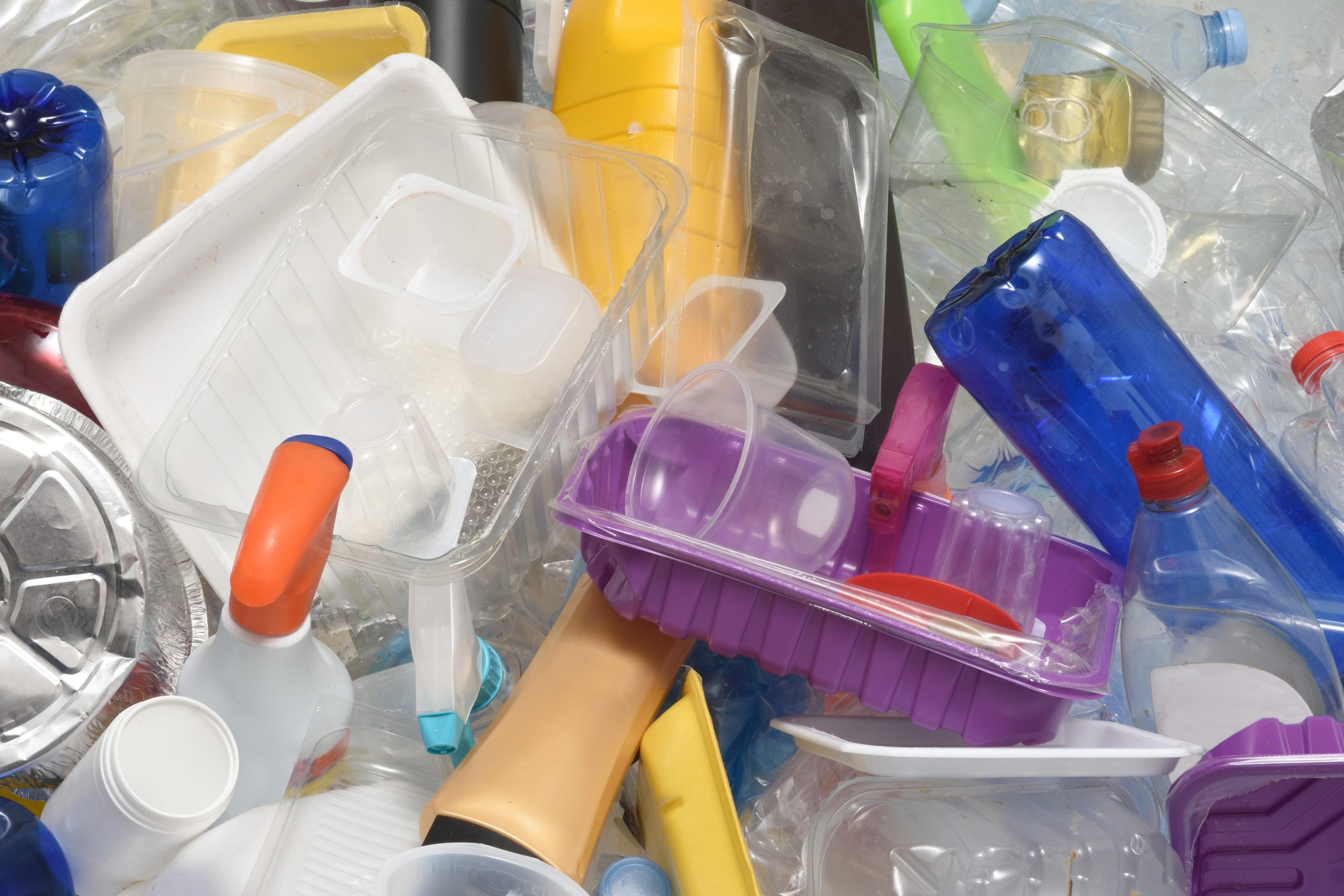
LLA Instruments’ NIR hyperspectral cameras provide precise plastic identification and optical sorting for household waste.
The analytical software module idHwaste is optimally calibrated to the materials and requirements. It not only identifies all plastics from which food packaging is made but also frequently occurring technical polymers such as polyamide (PA). You choose which plastics you want to sort out.
WE RECOMMEND: The NIR spectrometers KUSTA-MPL 1.9, KUSTA 1.9, and KUSTA 1.7, in combination with the idEwaste software module
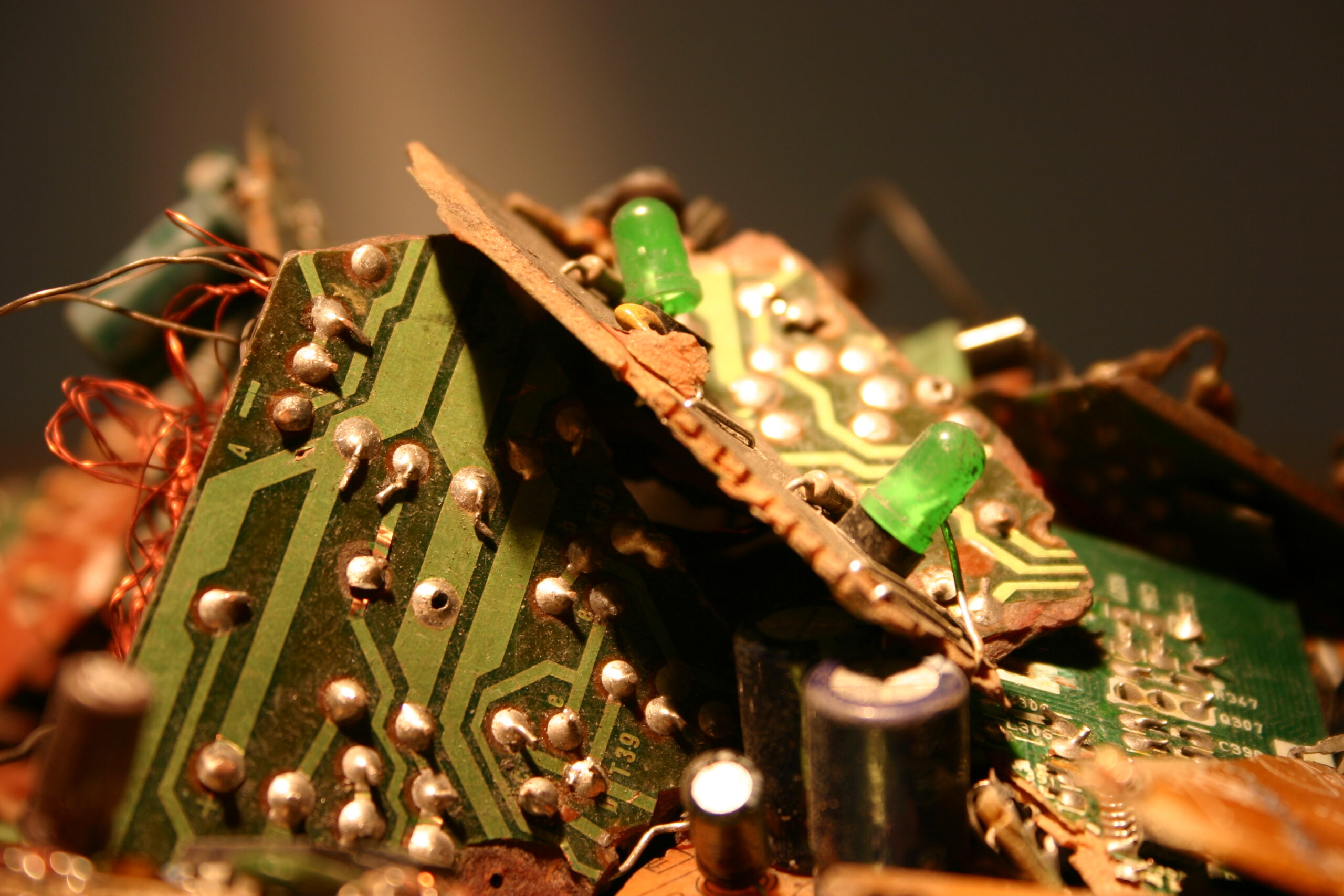
For determining the chemical composition of technical plastics, or waste electrical and electronic equipment (WEEE), we recommend using our NIR spectrometers in combination with LLA’s accessories and the idEwaste software module. The latter contains all technically relevant plastics and blends and is ideal for the processing of plastic fractions accumulating in electronic waste. We offer the idPCB software module specifically for sorting and recycling of electronic circuit boards.
WE RECOMMEND: The NIR spectrometer KUSTA-MPL 1.9, and NIR camera KUSTA 1.9, in combination with the idPCB software module
The idPCB analytics software module is the result of further development of idEwaste for waste electrical and electronic equipment (WEEE). Like idEwaste, the idPCB module identifies all technical plastics used in consumer or household electronics. In addition, it identifies various types of electronic printed circuit boards (PCBs), from which high-value raw materials (precious metals) can be recovered after sorting.
WE RECOMMEND: The NIR spectrometer KUSTA-MPL 1.9, and NIR camera KUSTA 1.9, in combination with the idPET software module
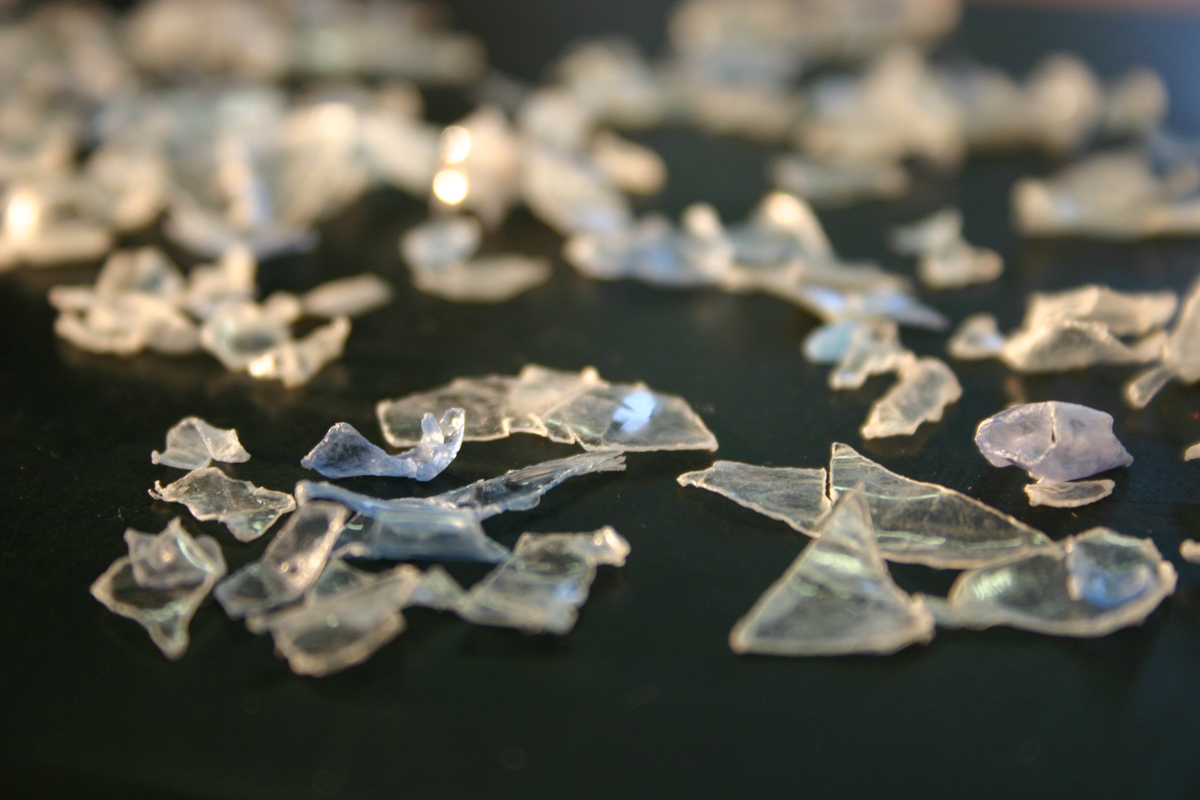
The idPET Flakes module identifies and eliminates interfering substances such as PA, silicone, and PVC, providing high-purity PET for bottle-to-bottle recycling. Optimized for high-speed NIR hyperspectral cameras, this solution ensures consistent material quality and maximises process efficiency.
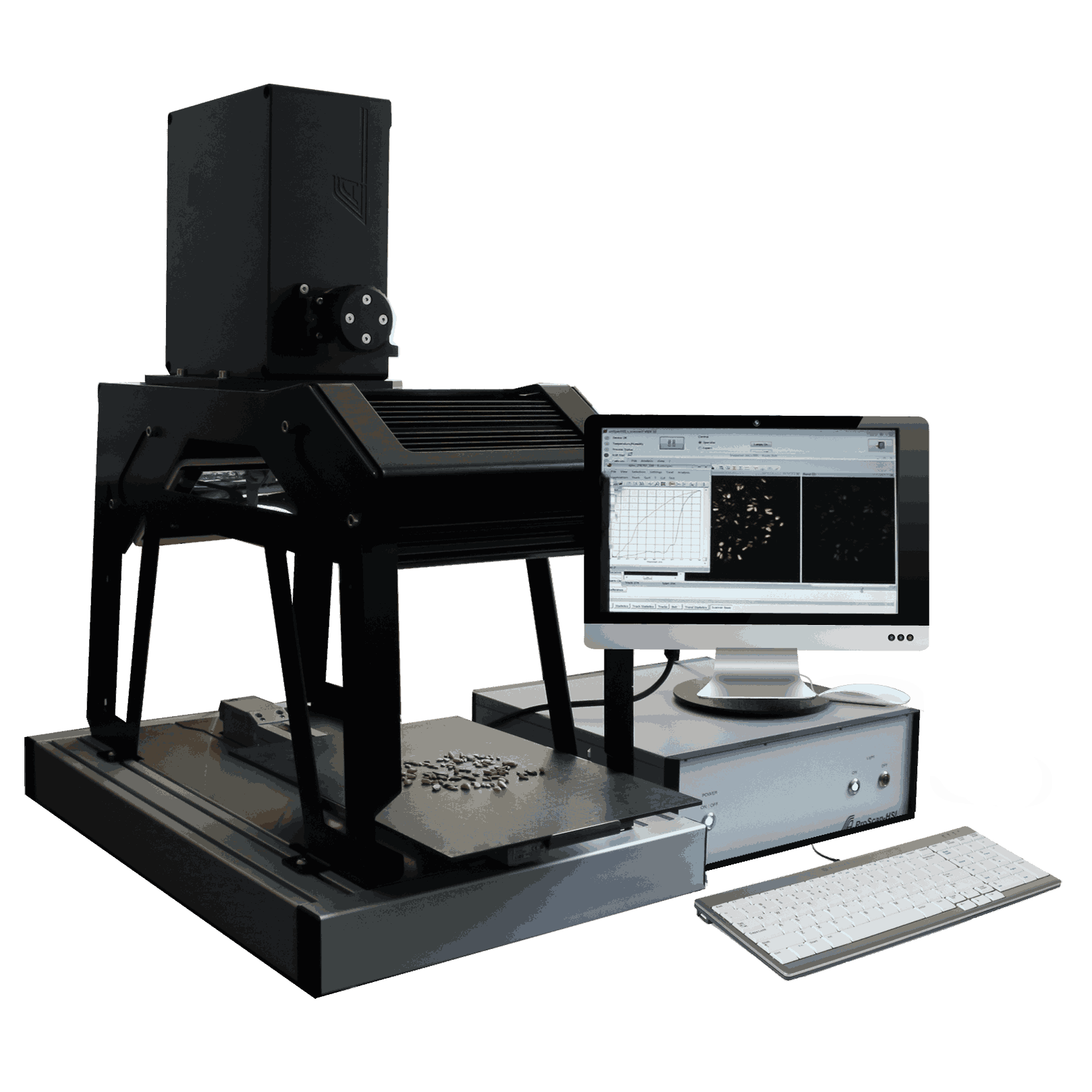
WE RECOMMEND: The high-speed hyperspectral imaging system KUSTA-QC designed for the autmoated anaylsis and identification of plastic flake recycling streams.
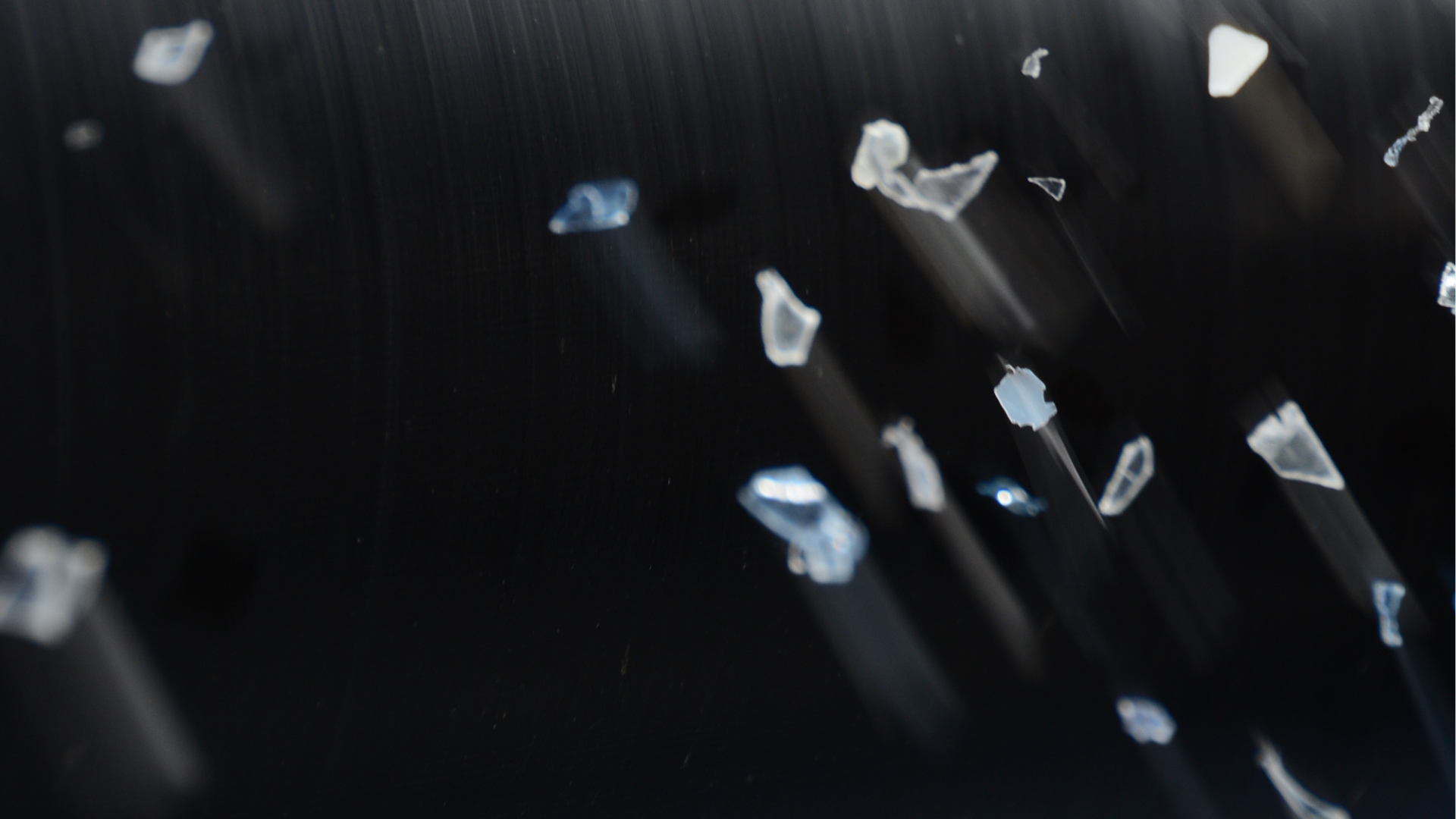
Utilising advanced NIR (Near-Infrared) spectroscopy, the system provides a comprehensive breakdown of material composition allowing for rigorous quality monitoring of plastic flake recycling streams.
WE RECOMMEND: The NIR camera KUSTA 1.9, in combination with the idPaper software module
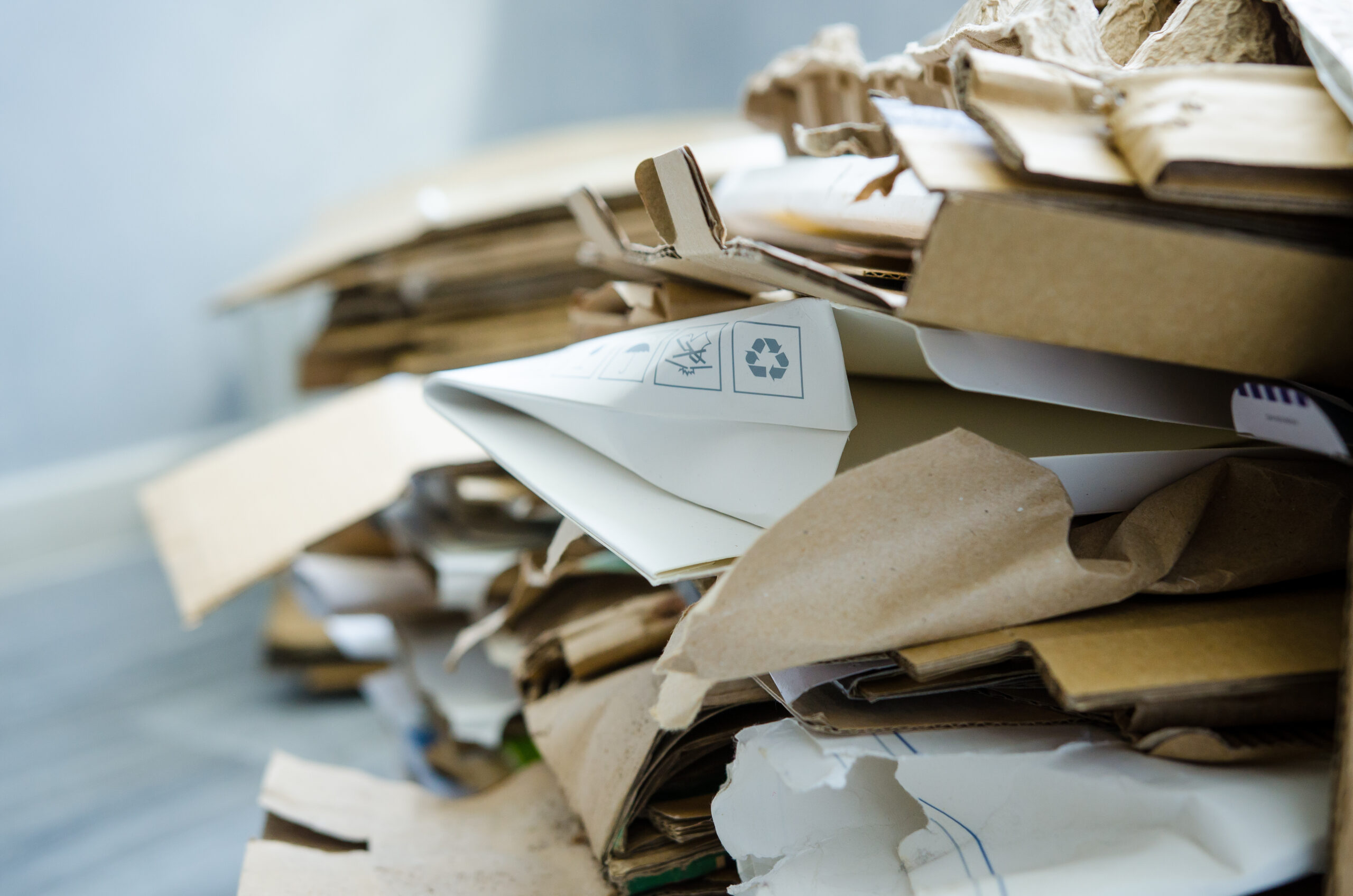
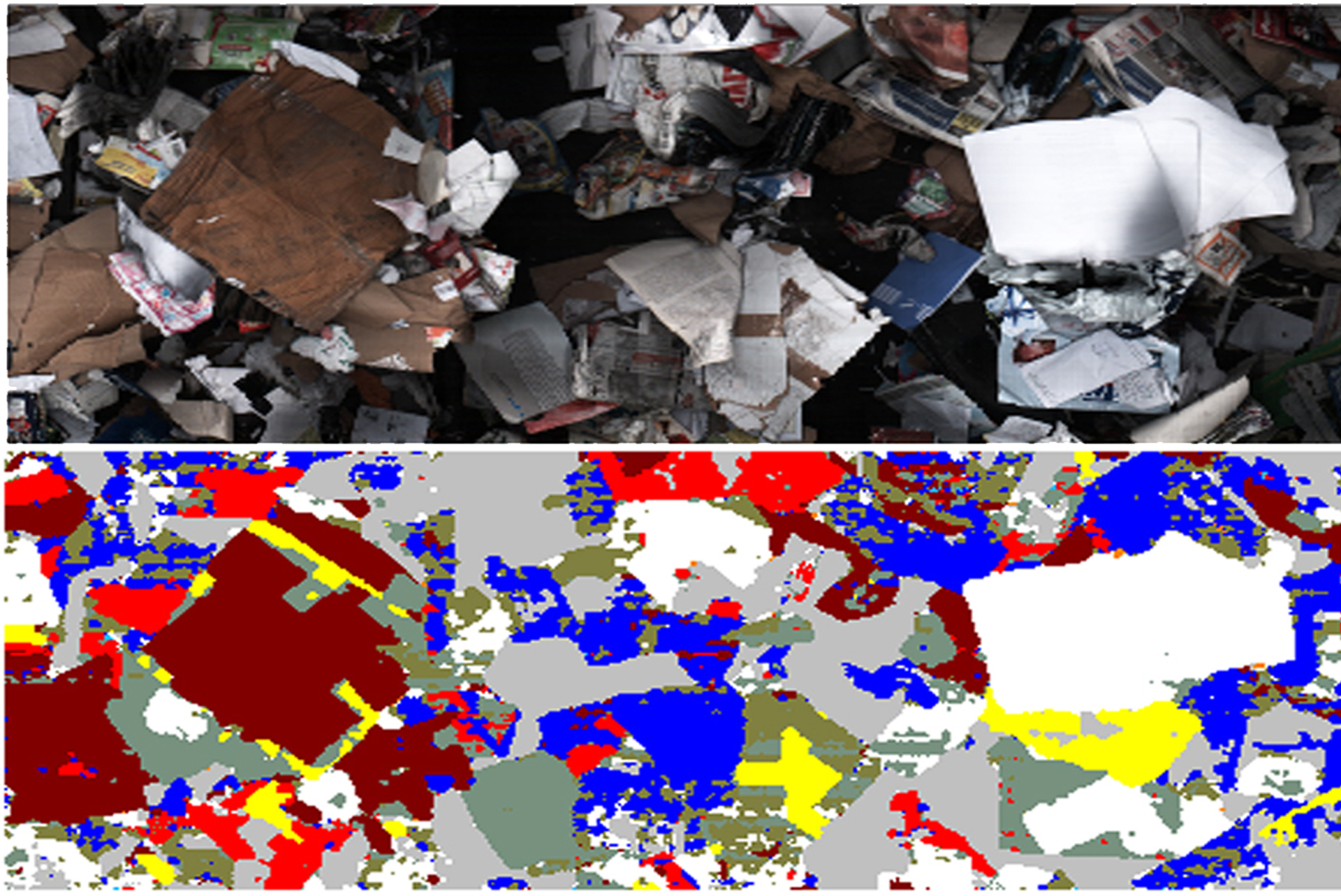
Each paper grade has a unique NIR spectrum. The idPaper software module classifies paper according to the EN643 European standard. High spatial and temporal resolution of the KUSTA 1.9 camera supports advanced object recognition, improving discharge accuracy and process control.
Essential parameters for the optimum control of the processing plant are the proportions of:
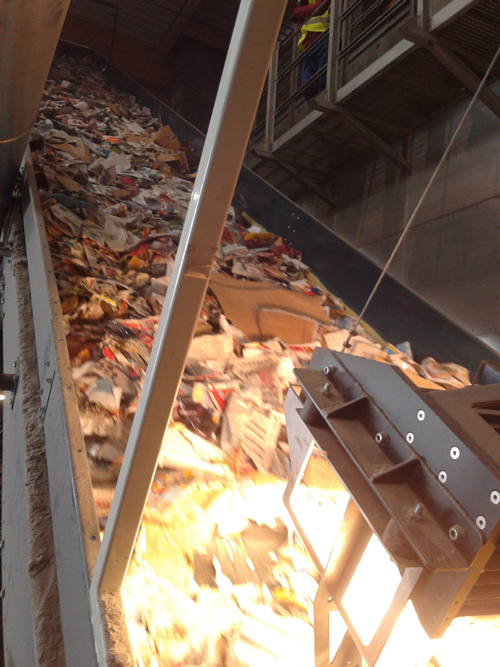
Measurement of essential parameters for optimal control of the sorting plant by precisely matching the process parameters with the composition of the input material. Essential parameters for optimum control of the processing plant are the proportions of deinking material, plastics and other impurities, cardboard and paperboard, and moisture in the input stream. With the imaging NIR hyperspectral camera KUSTA 1.9, we have developed a system that records these parameters online and in real time and makes them available to the plant control system via a network interface.
Textiles
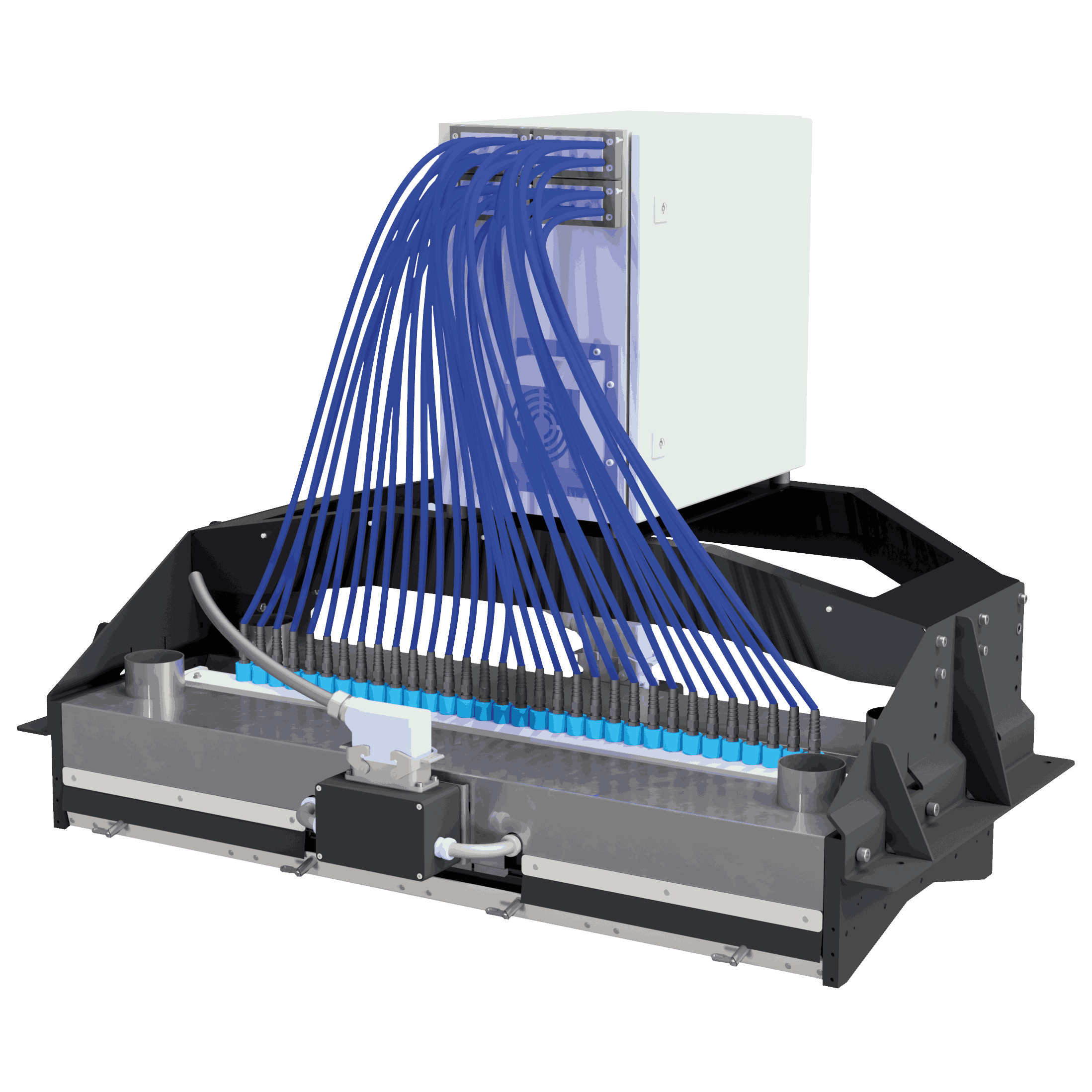
WE RECOMMEND: The multiplexed NIR spectrometer KUSTA-MPL 2.2 with the idTextile software module
KUSTA-MPL 2.2 reliably detects the following materials in textile recycling: Pure (100%): Cotton, lyocell/viscose, PA6, PA6-10, PA66, polyacrylic, polyamide, polyester (PE), silk, wool, viscose. Blended fabrics: Cotton/elastane, cotton/PE, PE/elastane, Lyocell/viscose/elastane, wool/poly-acrylic, viscose/PE.
Limitations: It not possible to identify black fabrics with carbon black dye!
WE RECOMMEND: The NIR spectrometers KUSTA-MPL 2.2, KUSTA 1.9, and KUSTA 1.7, in combination with the idDebris and idCM software modules
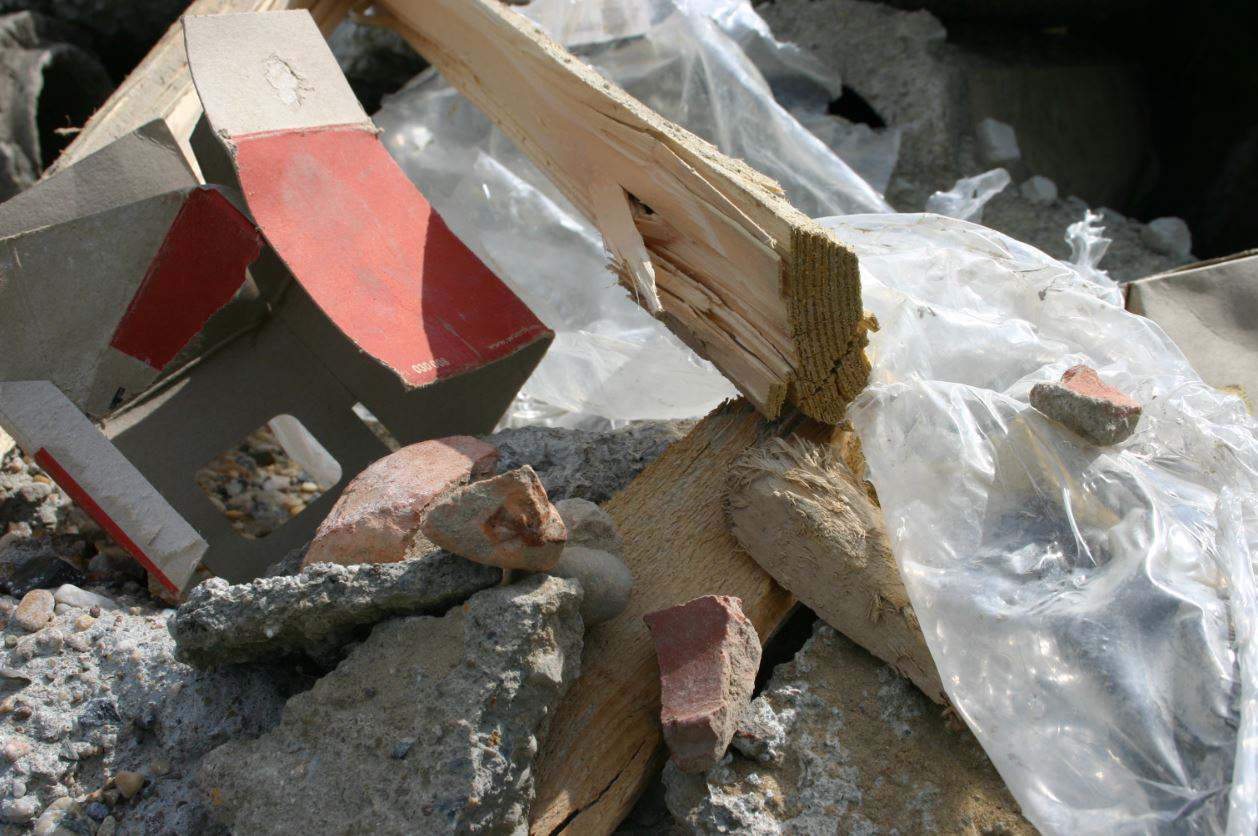
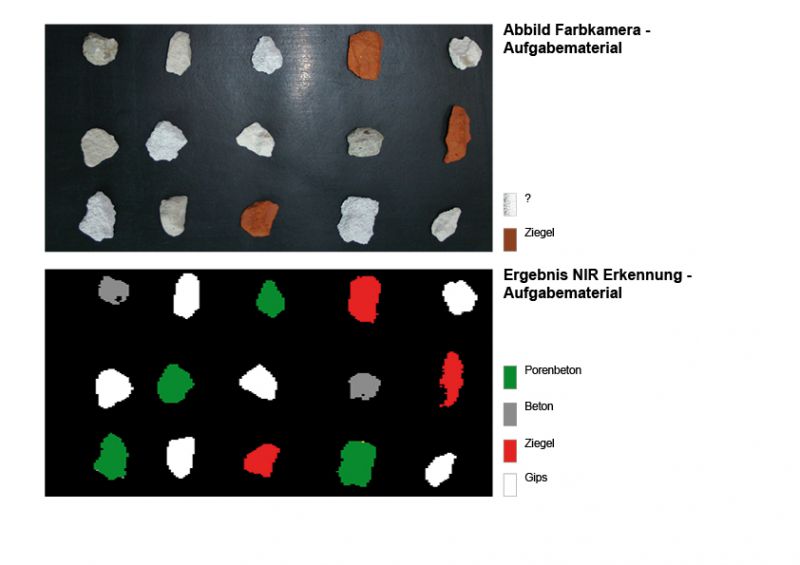
To reliably identify and separate impurities like wood, paper, plastic, and gypsum from crushed construction and demolition waste, we recommend using the NIR hyperspectral cameras KUSTA 1.7 and KUSTA 1.9 in combination with the idDebris sorting software. The fibre-optic multiplexed NIR spectrometer KUSTA-MPL 2.2 with the sorting module idCM (idConstructionMaterial) is an ideal solution for the recovery of pure RC construction materials from crushed mineral construction waste.
Contact Us
Justus-von-Liebig Straße 9/11
12489 Berlin
Germany