
































 Previous Post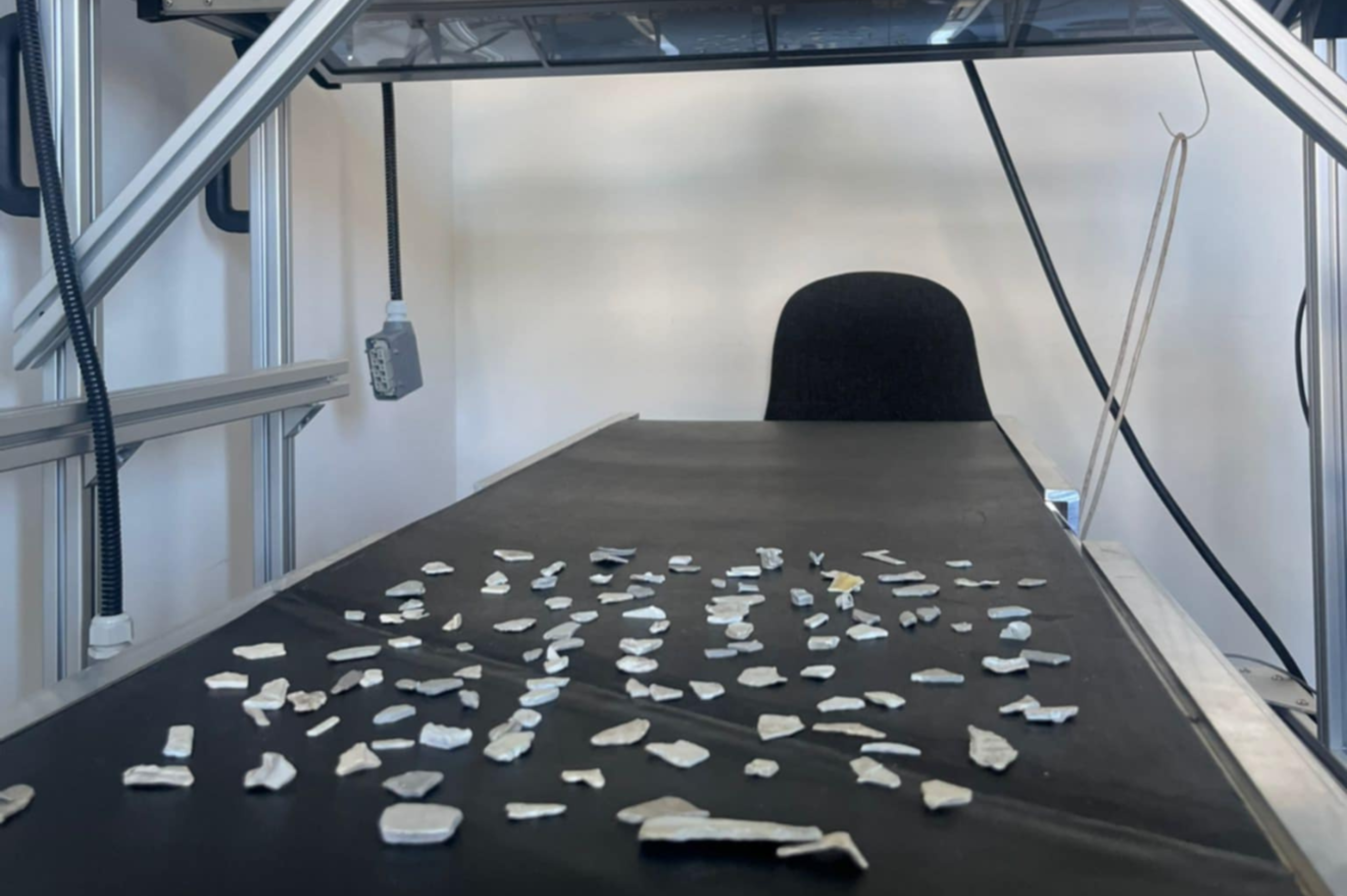



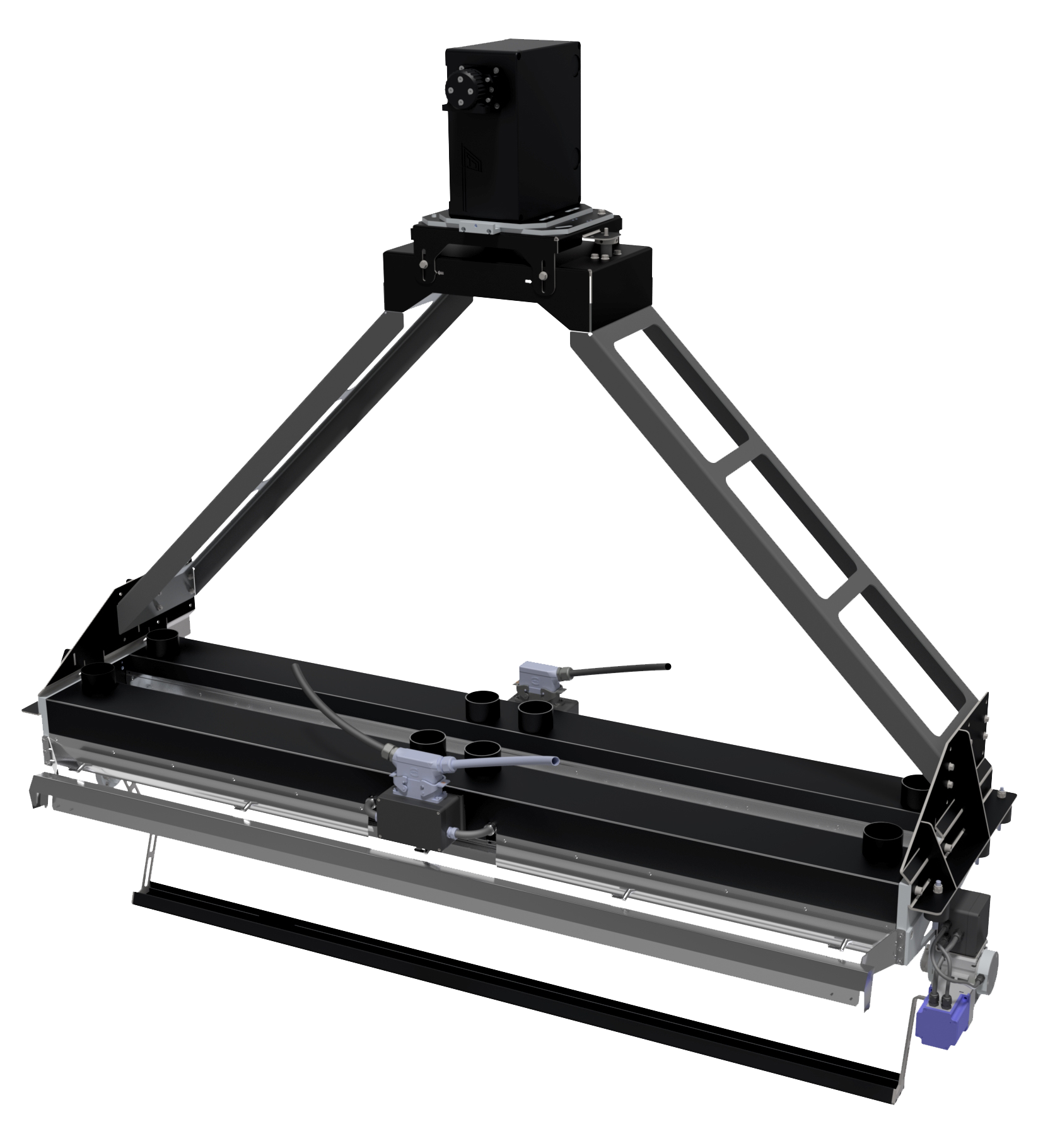
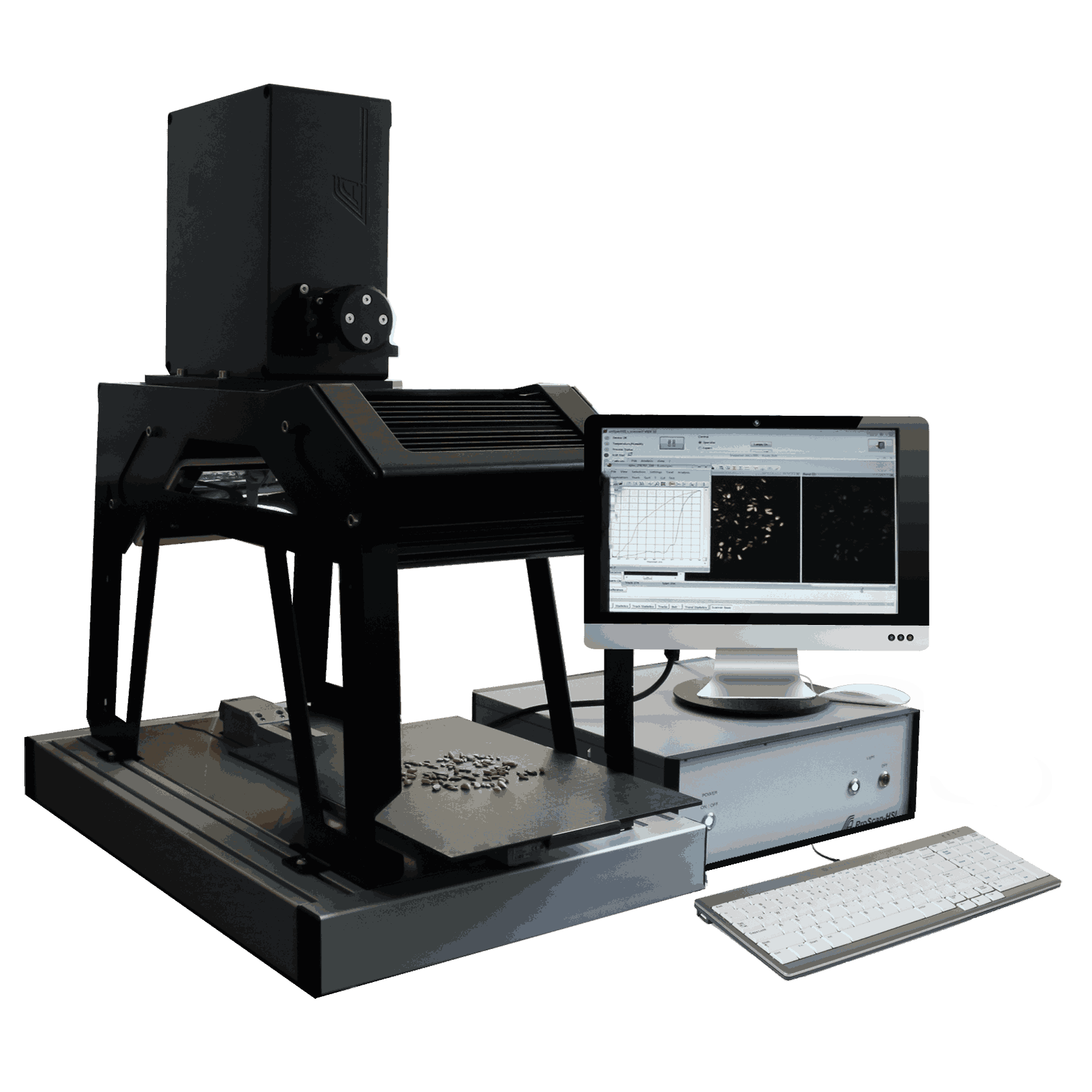
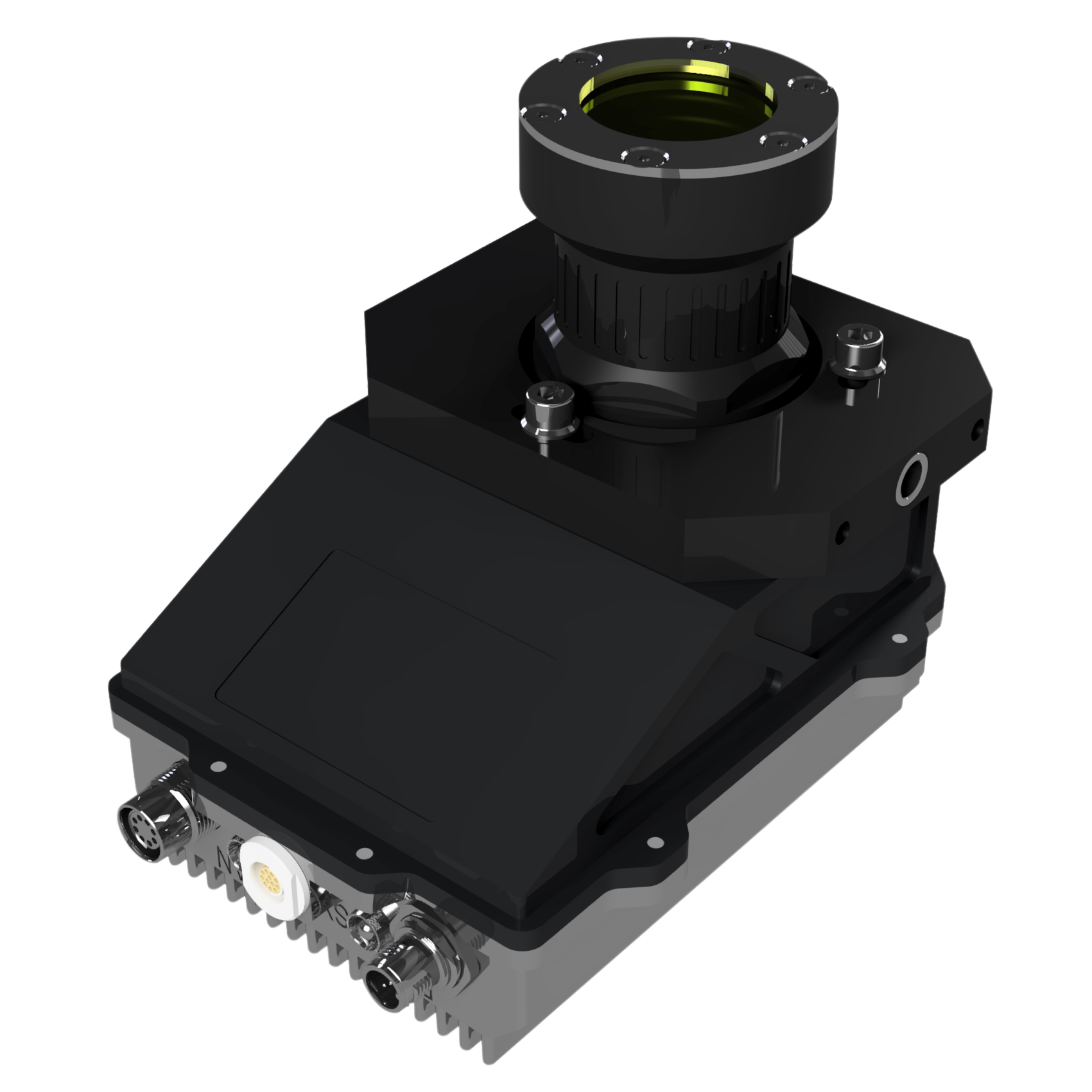
A hyperspectral camera is an advanced imaging system that captures detailed spectral information for every pixel in an image. Unlike conventional cameras that record only colour or intensity, hyperspectral cameras analyse the material composition of objects, enabling precise identification, classification, and sorting. In industrial environments—such as recycling, material processing, and quality control—hyperspectral cameras have become a key technology for real-time material analysis.
A hyperspectral camera records an image across dozens or hundreds of narrow wavelength bands. Each pixel contains a full spectral signature, which allows materials to be identified based on their unique interaction with light.
This makes hyperspectral cameras fundamentally different from:
Key advantage:
Material identification, not just visual appearance
Most industrial hyperspectral cameras use a push-broom (line-scan) principle:
This approach is ideal for:
Different hyperspectral cameras operate in different wavelength ranges, depending on the application.
Industrial hyperspectral cameras often focus on NIR and SWIR, where material-specific absorption features are strongest.
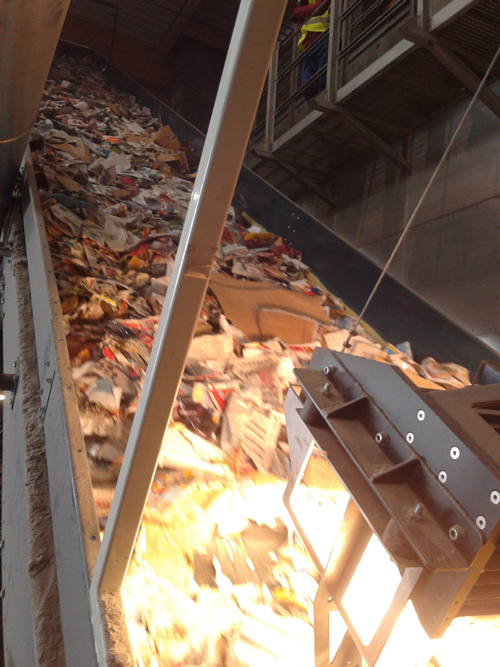
In recycling plants, materials often look identical to the human eye but differ chemically. Hyperspectral cameras enable:
Because the analysis is non-contact and fast, hyperspectral cameras can be integrated directly into high-speed sorting lines.
When selecting a hyperspectral camera for industrial use, important characteristics include:
Many hyperspectral cameras are designed for laboratories or research. Industrial hyperspectral cameras differ by offering:
This distinction is crucial for machine builders and system integrators.
Machine builders benefit from hyperspectral cameras that:
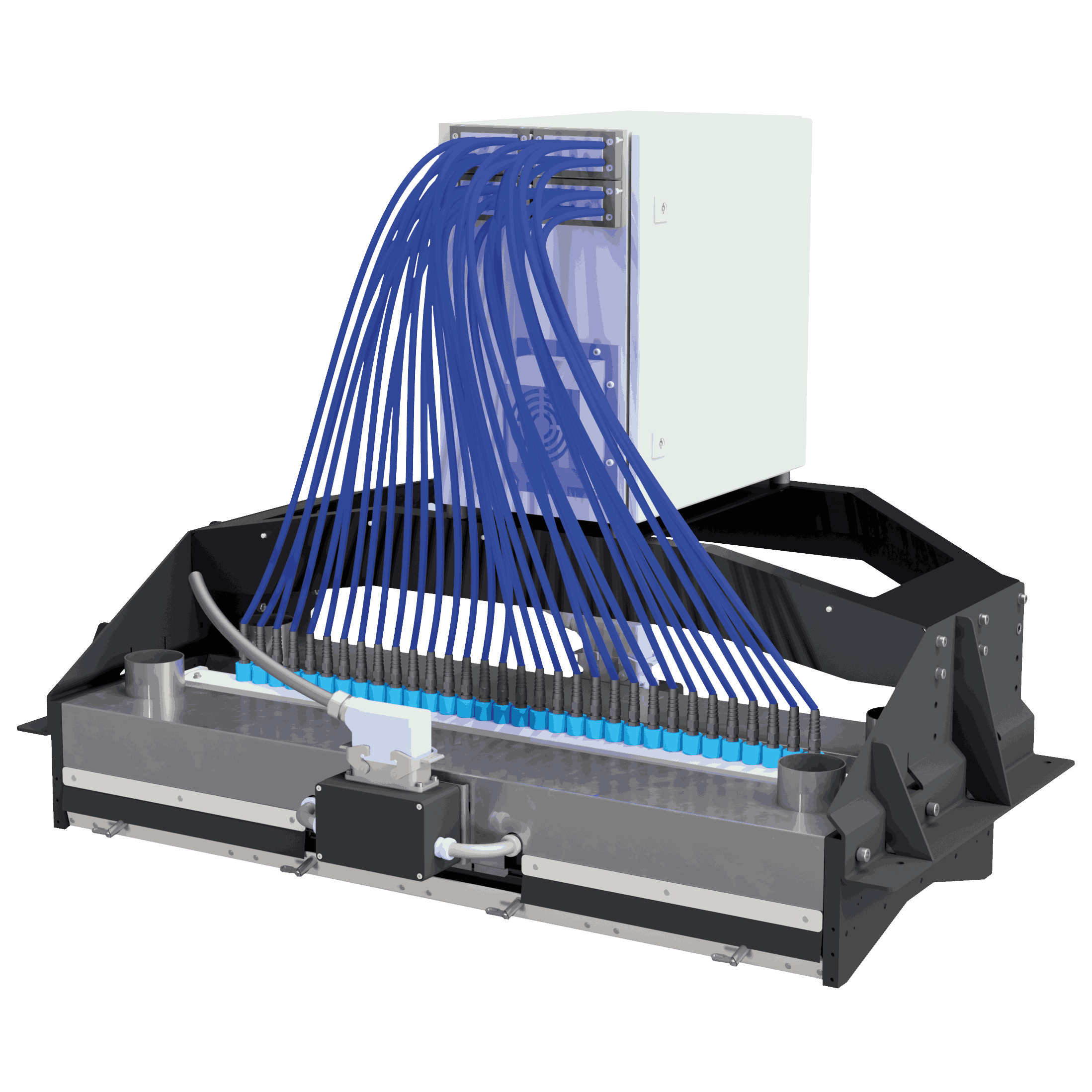
For this reason, industrial suppliers often deliver hyperspectral camera systems, including illumination, software, and industrial PCs.
A hyperspectral camera is more than an imaging device—it is a material analysis tool. Selecting the right system depends on:
In industrial sorting and recycling, hyperspectral cameras enable reliable, real-time decisions that are impossible with conventional imaging technologies.



Justus-von-Liebig
Straße 9/11
12489 Berlin
Germany